Website designed with the B12 website builder. Create your own website today.
Start for free
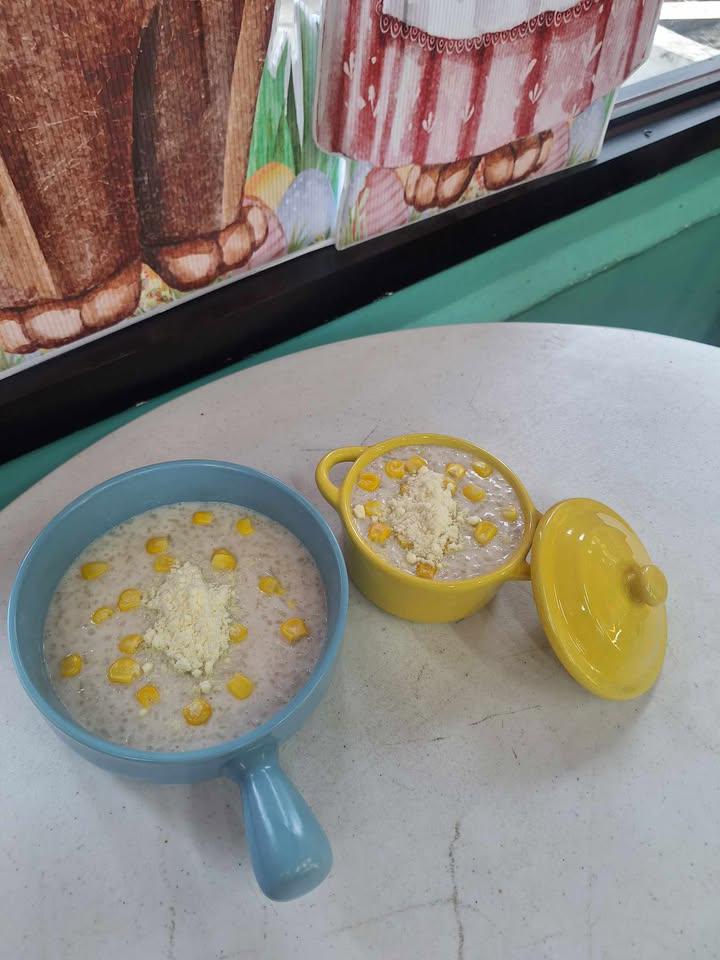

Champorado, the beloved Filipino chocolate rice porridge, carries a rich history that intertwines with the culinary traditions of the Philippines. Its origins can be traced back to the influence of Spanish colonialism, where native ingredients and cooking methods melded with those brought by the Spaniards. Over the years, this delightful dish has evolved, gaining popularity among generations and becoming a cherished comfort food that warms both the body and soul.
As we explore the history of champorado, we uncover its cultural significance within Filipino families and celebrations. This sweet and indulgent treat is not just a meal; it represents nostalgia, bonding, and local flavors that resonate with many Filipinos. In this blog post, we will delve deeper into the journey of champorado, its importance in Filipino traditions, and the modern variations that continue to keep this beloved dish alive in contemporary kitchens. Join us as we savor the past, present, and future of champorado!
The origins of champorado: A sweet journey through time
Champorado has its roots deeply embedded in Filipino history, showcasing a beautiful blend of local ingredients and influences from various cultures. This traditional Filipino chocolate porridge is believed to have been inspired by the Spanish dish chocolate de agua, which dates back to the colonial period. As trade between the Philippines and Spain flourished, local cooks began to experiment with the ingredients available to them, incorporating sweet rice and cacao into their recipes. This adaptation gave rise to the beloved dish known today as champorado.
Over time, champorado evolved, becoming a staple breakfast choice and comfort food for Filipino families. It symbolizes indulgence without excess, as the dish is often served with side accompaniments like dried fish or salty toppings, creating a delightful contrast to its sweetness. Its simplicity and rich flavors capture the essence of Filipino culinary traditions, making champorado not just food, but a nostalgic experience that connects generations of Filipinos to their heritage.
Cultural significance of champorado in Filipino traditions
Champorado holds a special place in Filipino culture, often served during breakfast or as a comforting afternoon snack. Families across the Philippines have enjoyed this chocolate rice porridge for generations, making it a beloved staple in many households. Its rich, sweet flavor evokes warmth and nostalgia, often reminding people of their childhood. In many Filipino families, cooking champorado is a cherished tradition that fosters bonding during mealtime. It’s common to see families sharing stories and laughter over a steaming bowl of champorado, reinforcing its role as more than just a dish; it’s a way to connect with one another.
During festivals and special occasions, champorado also takes center stage, served alongside traditional dishes like tuyo (dried fish) or fried salted fish. This pairing highlights the versatility of champorado, as its sweetness beautifully contrasts with the savory flavors of accompanying meals. Additionally, champorado’s preparation and presentation vary from region to region, reflecting the diverse cultures within the Philippines. Such variations enrich its cultural significance, making it not just a meal but a representation of Filipino identity and heritage. Whether enjoyed at home or at celebrations, champorado continues to be a source of joy and togetherness in Filipino culture.
Modern twists on champorado: Keeping the tradition alive
In recent years, chefs and home cooks have embraced innovative variations of champorado, showcasing its versatility beyond the traditional recipe. While classic champorado typically combines rice, chocolate, and milk, modern iterations incorporate diverse ingredients to suit various palates. For example, some culinary enthusiasts now add coconut milk for a creamier consistency, while others experiment with different types of chocolate, such as dark or white, to create richer flavors. These twists not only honor the original recipe but also invite people of all tastes to enjoy this beloved Filipino dish.
Moreover, champorado has found its rightful place on modern brunch menus, as many restaurants serve it alongside other Filipino breakfast staples. Its unique blend of sweetness and heartiness appeals to both young and old, making it a popular choice for both breakfast and dessert. Food bloggers and influencers also play a vital role in this revival, sharing recipes and highlighting unique ways to elevate champorado, like topping it with fresh fruits, nuts, or even a drizzle of caramel. By infusing contemporary creativity into champorado, the dish continues to thrive across generations, ensuring it remains a cherished part of Filipino culinary heritage.